
An essential component of making sure your car operates smoothly is maintaining the fuel system. This system’s wear, damage, and breakdowns can be avoided by routine maintenance such as inspections and repairs. The best advice for maintaining the fuel system of your car is provided below:
Check the vehicle’s fuel system on a regular basis.
The gasoline system of your car needs to be checked frequently as part of general maintenance. Along with maintaining the tank clean, you should keep an eye out for any damage or corrosion that might be hurting its performance.
The gasoline system of your car should be checked:
· Inspect the gasoline filter outlet and input hoses for damage, leaks, and cracks. Replace as required.
· Check both sides’ connections between lines (such as where they join together) for any wear or damage that could result in leaks when they are disconnected from their respective components, or even failure during operation at high speeds due to insufficient sealing capability when they are reconnected.
Frequent replacement of the fuel filter
· The fuel filter is a crucial component of your car’s engine because it cleans the gasoline of impurities before it enters the combustion chamber. In the long run, problems with starting or idling may result from this filter being clogged with dirt and grime. The primary fuel filter in your car should be changed every 15000 miles, or sooner if you observe any warning signals (such sluggish acceleration).
· Every 15000 miles, you should also change your secondary fuel filter. The fuel tank contains a filter that guards against any silt that may have gotten into the gas during fill-up. If necessary, swap out the fuel pump and the seals if:
o Your fuel system’s heart, the fuel pump, must be kept in good working order. Replace your gasoline pump approximately every 60000 miles (or more frequently if you have an older car).
o Fuel seals occasionally need to be replaced as well because they are frequently composed of rubber or plastic, both of which degrade over time. These components might need to be changed if:
· After being left in a parking lot all night, your car suddenly has difficulties starting;
· You observe gas dripping from the engine’s surface near any component; or
· When the car is starting, loud noises may be heard coming from underneath.
It’s time to have a mechanic examine your fuel system if you notice any of these issues. They can inform you precisely which components require replacement and whether it is safe to keep using your current components while driving.
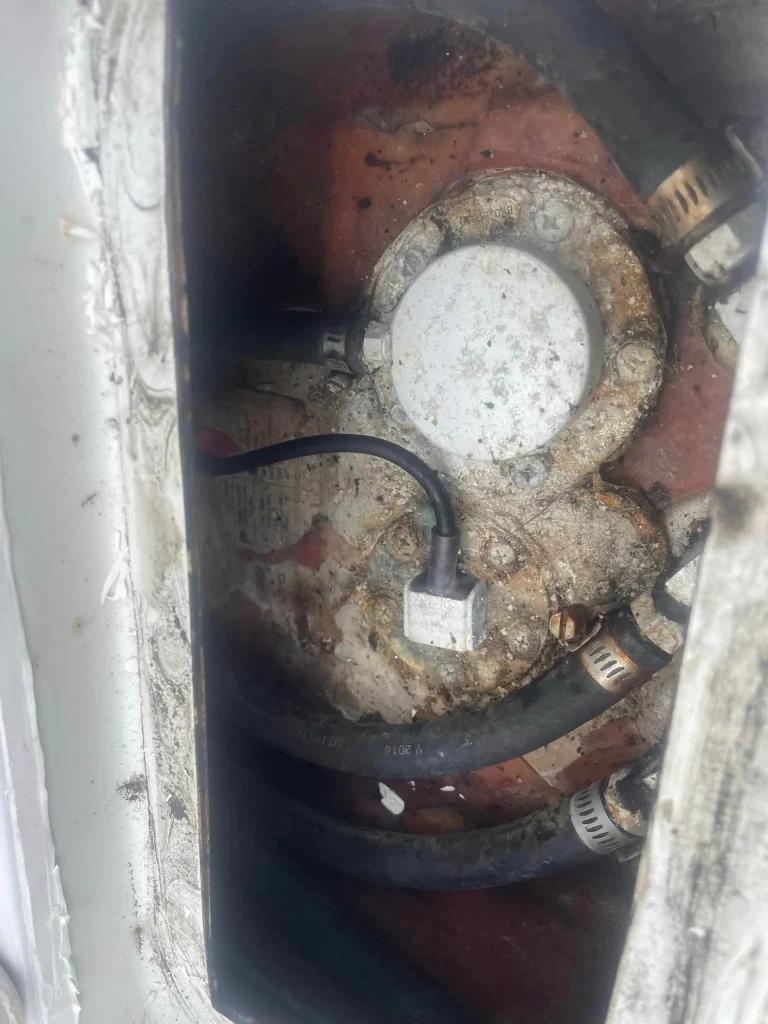
If the fuel tank is damaged or leaking, replace it.
Your gasoline tank may need to be replaced if it is leaking. Look for corrosion or rust on the interior of the tank when evaluating the car because these conditions could point to pinhole leaks in the tank’s walls. It is best to have a new tank installed right away to prevent any damage from occurring inside your engine compartment if you notice these signs or if you have reason to believe that your vehicle is currently consuming more fuel than usual (for instance, if you’ve recently added more than $10 worth of gas). Always inspect for cracks in areas where pressure could be exerted directly against metal parts in addition to leaks, as these cracks have the potential to cause major issues later on if they lead directly into internal parts like pistons and cylinder heads.
If there are no leaks visible and your car isn’t using more fuel than usual, the issue is probably with an exterior component. The hoses or clamps that have loosened over time or been harmed by debris are the most likely offenders; they may be letting air into the system and causing it to become trapped under pressure.
Maintaining your vehicle’s fuel system is crucial to maintaining it in good working order.
Your car’s fuel system plays a crucial role in how well it performs. The gasoline filter stops pollutants like rust, dirt, and other impurities from harming the engine. Each cylinder’s air-fuel mixture is set ablaze by the spark plugs, and the resulting explosion produces power for your vehicle.
There are a number of components that require routine maintenance and should be inspected:
· Fuel filter (change every 20K–30K miles) – This component removes impurities from the fuel before they enter your engine’s cylinders, where they could harm or even render it inoperable! Regular replacement of this component will help keep your car in top operating condition for many years to come.
· Fuel pump and seals should be replaced every 60k miles since they can lead to leaks in both internal combustion engines and electric motors like those found in hybrid vehicles if they are not properly maintained. Preventing costly repairs later on when those parts start failing prematurely due partially to lack of proper care during routine inspections over the time period between initially replacing them vs. waiting until symptoms emerge by replacing them before signs of wear become too obvious will save money in the long run.
Conclusion
You can maintain the optimal condition of your fuel system with a little work and the appropriate equipment. Please get in touch if you have any queries about maintaining the gasoline system in your car. We’re prepared to assist.