
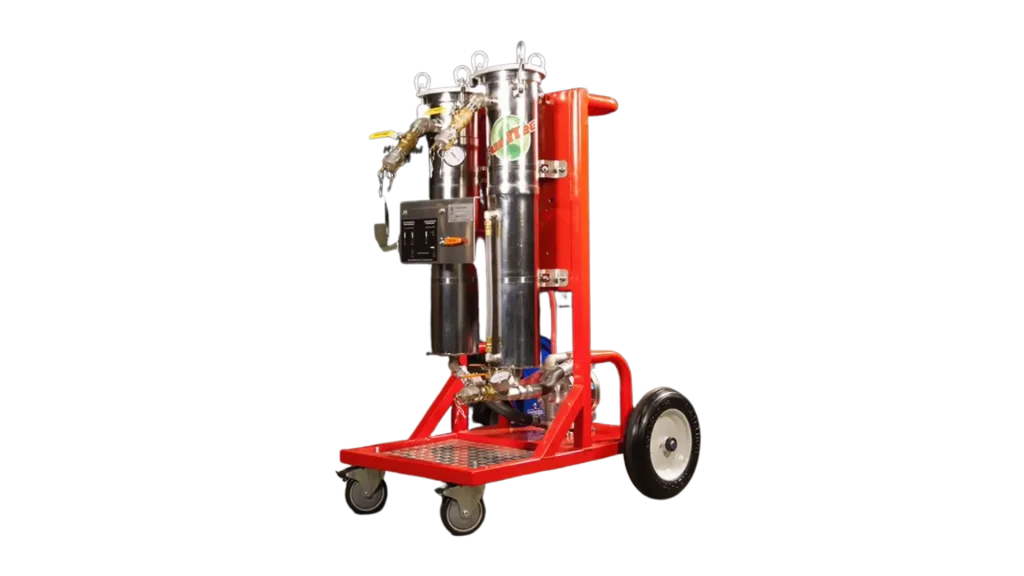
EXTENDED EQUIPMENT LIFE: Removing contaminants from fuel reduces the risk of tank and engine damage in efforts to prolong the life of engines and other fuel-powered equipment.
INCREASED RELIABILITY: Clean fuel reduces the likelihood of equipment breakdowns and ensures consistent performance.
COST SAVINGS: By maintaining fuel quality and preventing engine damage, fuel polishing systems can reduce repair costs and downtime.
IMPROVED SAFETY: Contaminated fuel can cause fires and explosions, so removing contaminants from fuel reduces the risk of accidents and improves safety.
Overall, a fuel polishing system is a smart investment for anyone who relies on diesel fuel for their equipment or machinery. It ensures that fuel is always clean, reliable, and ready for use, which can save money, improve safety, and extend the life of engines and equipment.
The process starts with sampling the fuel to determine its condition and the level of contamination.
Next, the fuel is pumped through filters, which remove contaminants from the fuel.
A coalescing filter is then used to remove water and any remaining particles from the fuel.
The fuel is then treated with biocides to kill any microorganisms that may be present.
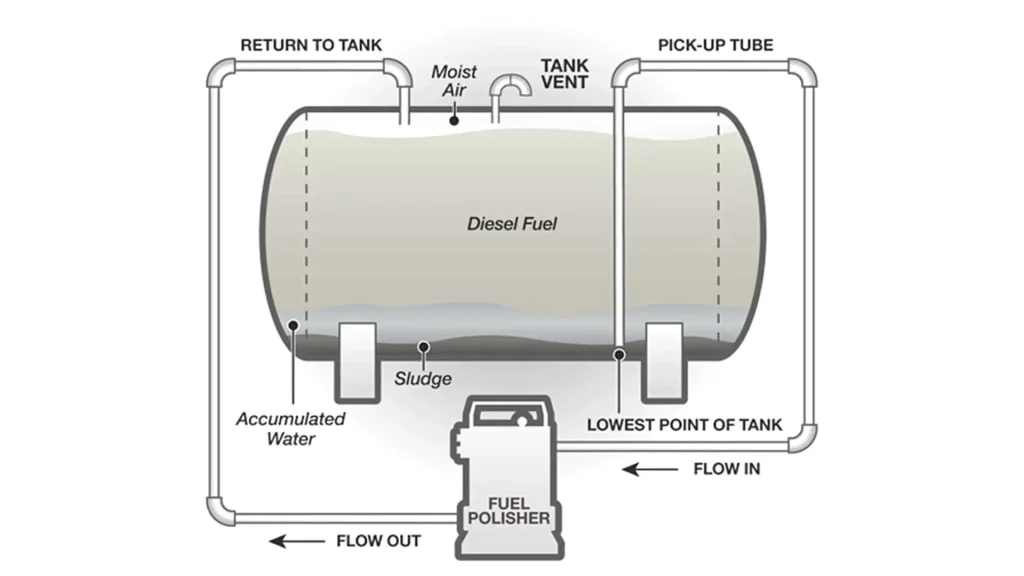
COMPLIANCE WITH REGULATIONS: Fuel tank cleaning is often required by regulations, such as those set by the Environmental Protection Agency (EPA). By complying with regulations, you avoid fines and other penalties.
COST SAVINGS: By maintaining clean fuel tanks, you can reduce the need for expensive repairs and downtime. This can help you save money in the long run and improve your bottom line.
Overall, fuel tank cleaning is an essential maintenance task that offers a range of benefits, including improved fuel quality, increased fuel efficiency, reduced engine wear, improved safety, compliance with regulations, and cost savings.
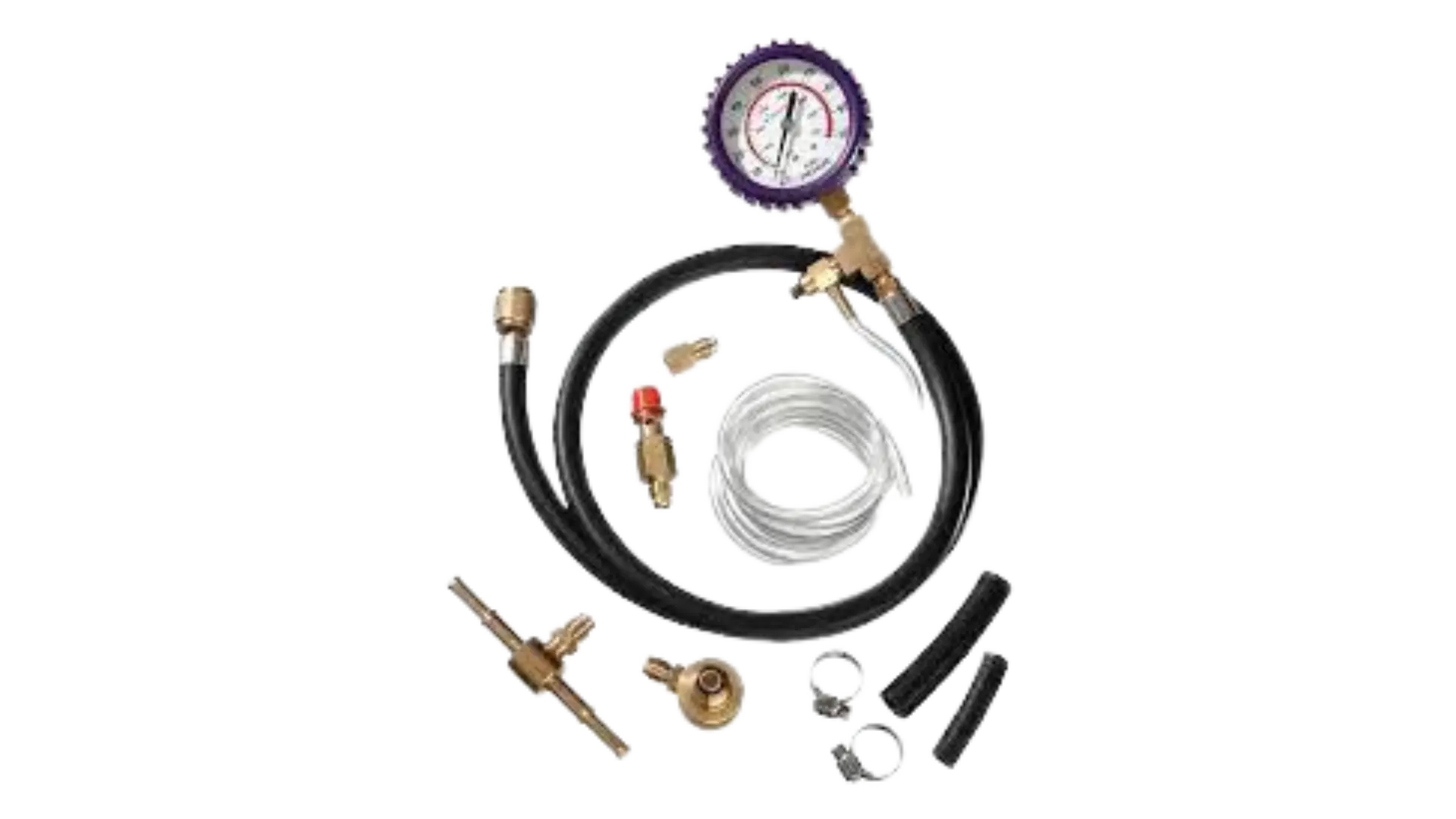
IDENTIFIES FUEL SYSTEM ISSUES: Fuel pressure testing can help identify fuel system issues such as leaks, blockages, or faulty fuel injectors.
IMPROVES ENGINE PERFORMANCE: By detecting and fixing fuel system issues, fuel pressure testing can improve engine performance, fuel efficiency, and reduce emissions.
PREVENTS BREAKDOWNS: Fuel pressure testing can help prevent unexpected breakdowns caused by fuel system issues, which can save time and money on repairs.
EXTENDS ENGINE LIFE: By ensuring the fuel system is working correctly, fuel pressure testing can help extend the life of the engine and its components.
SAVES MONEY: Fuel pressure testing is a relatively inexpensive service that can help prevent costly engine repairs caused by fuel system issues.
INCREASES SAFETY: By ensuring the fuel system is working correctly, fuel pressure testing can improve safety by reducing the risk of fires, explosions, and other hazards caused by fuel system issues.
Overall, fuel pressure testing is a valuable service that can help improve engine performance, prevent breakdowns, extend engine life, save money, and increase safety.
Gather necessary tools and equipment, including a fuel pressure gauge and a service manual specific to the vehicle.
Locate the fuel pressure test port, which is typically found on the fuel rail or fuel line.
Attach the fuel pressure gauge to the test port and turn on the ignition to prime the fuel system.
Check the fuel pressure gauge reading and compare it to the specifications in the service manual.
If the pressure reading is within the specifications, the fuel system is functioning correctly. If not, the fuel system needs to be further diagnosed to identify and repair any issues.
Record the pressure reading and remove the fuel pressure gauge from the test port.
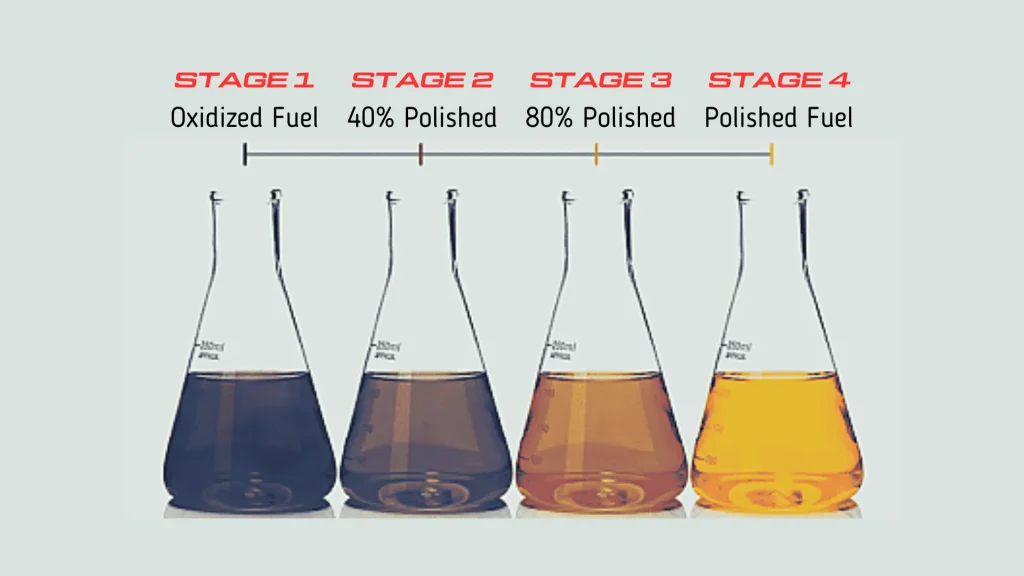
Fuel that has recently been exposed to air and is slightly oxidized is classified as Stage 1 oxidized fuel. At this stage, the fuel can still be restored to a usable state with fuel polishing.
After the initial stage of fuel polishing, the fuel may have a reduced level of contaminants, but it is not fully polished yet. Fuel at this stage is considered 40% polished.
Further fuel polishing can remove a significant amount of contaminants, resulting in fuel that is 80% polished. Fuel at this stage is much closer to the desired level of fuel quality.
The final stage of fuel polishing is when all contaminants have been removed from the fuel, resulting in fuel that is 100% polished. Fuel at this stage meets the desired level of fuel quality and is ready for use.
